
Vinted’s Invite-only Pop-up: Is Vintage Moving Towards Exclusivity?
- Amelia Short

- Apr 14, 2025
- 4 min read
Updated: Apr 16, 2025
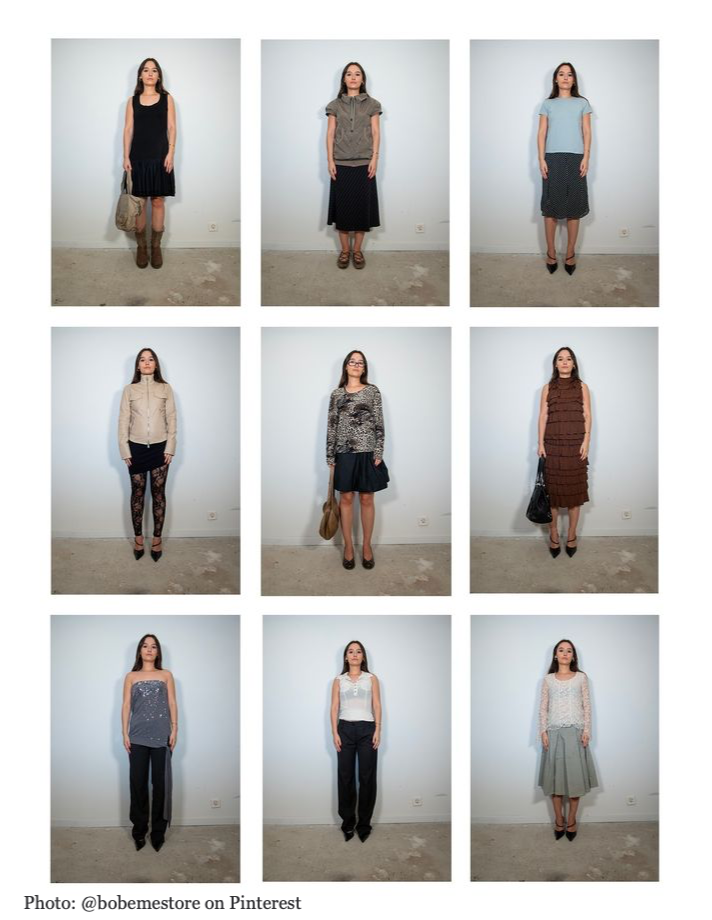
When I discovered Vinted’s first ever pop-up had been announced at the end of March, I was filled with anticipation for a fun and budget-friendly Saturday, and ready to browse the rails in search of a bargain. But, as I read phrases like “open by invitation only” and “second-hand luxury”, my excitement quickly morphed into disappointment, then confusion.
How could it be that Vinted, a company which, in its own words, strives to “make pre-loved easy and affordable to everyone”, was now shutting out the majority of customers from its first ever in-person store experience?
The pop-up
Hosted in the Adria hotel in South Kensington on Sat 22nd March, the pop-up was open to Vinted members who had received an invite via email. Invitees could experience themed rooms, featuring curated wardrobes and pre-loved designer pieces from brands like Prada and Maison Margiela. There were also hands-on workshops, including leather embossing, and the chance to talk to a professional stylist.
Emma Sullivan, Vinted’s creative director, said: “The House of Vinted is not just a unique opportunity to browse luxury pieces; it's a celebration of the stories behind pre-loved luxury fashion. By making luxury accessible and affordable, Vinted invites guests to discover the timeless beauty of lived-in luxury, encouraging them to rewrite their own fashion stories with these cherished items.”
How it works: Vinted’s approach to online second-hand selling
Vinted was established in 2009 in Lithuania, when co-founder Milda Mitkute wanted to declutter before moving house by selling her unwanted clothes to friends. In the company’s own words, “Vinted is open to everyone who believes that quality items should live long”.
Vinted sells a range of items—beyond the standard clothing pieces, buyers can browse through electronics, entertainment and designer. Sellers can list items for free, by adding photos and a caption, and setting their desired price. Buyers can search for their next purchase, or scroll through a customised feed tailored to their style, thanks to personalised recommendations. Once the seller and buyer agree a price (sometimes through back-and-forth haggling via Vinted’s instant messaging system), the seller packages their item and ships it off. Then, when the buyer confirms they’re happy with their new wardrobe addition, the seller receives their payout.
The data: What Vinted buyers are looking for
Vinted’s 2023 Impact Report found that, amongst Vinted users:
65 per cent of wardrobes consisted of at least one-quarter vintage items
80 per cent thought the quality of items they purchased through Vinted were of the same quality as buying them brand new
Over half spent less on fashion since joining Vinted
Over two-thirds said they would rather buy a smaller amount of expensive, quality pieces than many cheap and poorly-produced ones
What do vintage sellers think?
Nicola is the founder of Little Sister, a vintage company based in South London. With stores in Brixton and Peckham, she boasts twenty years’ experience in selling vintage clothing, and discusses how it is becoming harder to keep prices down while still making a profit.
Nicola owes her interest in vintage selling to her upbringing. Born and raised in London, and coming from Caribbean descent, Nicola’s mother and grandmother were both ‘avid’ vintage and thrift shoppers, and never placed any ‘stigma’ around buying clothes that were not new. She was brought up with the mindset: “Why pay new when we can find it second-hand or vintage?”
When asked about what sorts of pieces she chooses to sell, Nicola says: “I’m not really big on whether or not it’s designer … I’m more interested in the quality of the pieces, how well they’re made, and I’m particularly excited by clothes that are British-made.”
Nicola says stores that follow trends around selling items from a particular decade or style risk running out of business, since eventually people will get bored of the current styles and move onto something new. Therefore, rather than sourcing based on specific styles or trends, she explains: “If it stands [out] in terms of being interesting, unique, unusual, and a one-of-a-kind piece, then that’s what I’m most attracted to.”
In terms of affordability, Nicola says that, “as a vintage shop owner, people expect things to be cheap”. However, she notes that, over recent years, sourcing quality second-hand items is becoming more challenging. Due to the current recession, she predicts: “It’s going to be harder and harder to keep your prices very low, and with all the work that goes into sourcing, mending, [and] things like business freight and rents for shops, I don’t think it’s sustainable.”
The verdict
For the average buyer, I think it’s a shame that a company as big as Vinted decided to ‘exclusify’ its first in-person event. But, the pieces available on the day were listed on the platform a few days later, for everyone to browse. Also, a portion of proceeds from these sales was donated to Oxfam UK.
Vinted was designed primarily with affordability in mind, and that’s also what its users are looking for. Vintage sellers have to contend with worsening economic conditions, so it may well be difficult for them to continue selling pieces at low prices, alongside contending with increasing business-related costs.
Although at first glance, Vinted’s pop-up was exclusive, its users admit they would rather buy fewer quality pieces over many fast-fashion pieces. As often in life, the lucky few get a headstart—but Vinted allowed the rest of us to catch up, albeit three days later.
Vinted did not reply when contacted to ask for a comment.


Comments